Sacramento Commercial Property Management Fees: Demystifying Costs and Value
Many Sacramento commercial property owners feel the cost of professional management is mysterious – hidden fees and vague billing can make even savvy investors uneasy. In reality, fee schedules can be complex, but transparency is possible. Experienced managers will break down their pricing and show you exactly what you’re paying for. As one industry guide notes, a “seemingly low percentage-based management fee can be misleading, concealing a web of à la carte charges” that quietly erode your profits. In this post we’ll explain common fee structures, typical extra charges, what bargain-basement managers often don’t deliver, and the right questions to ask (and red flags to watch) when comparing Sacramento commercial property management companies.
Common Fee Structures
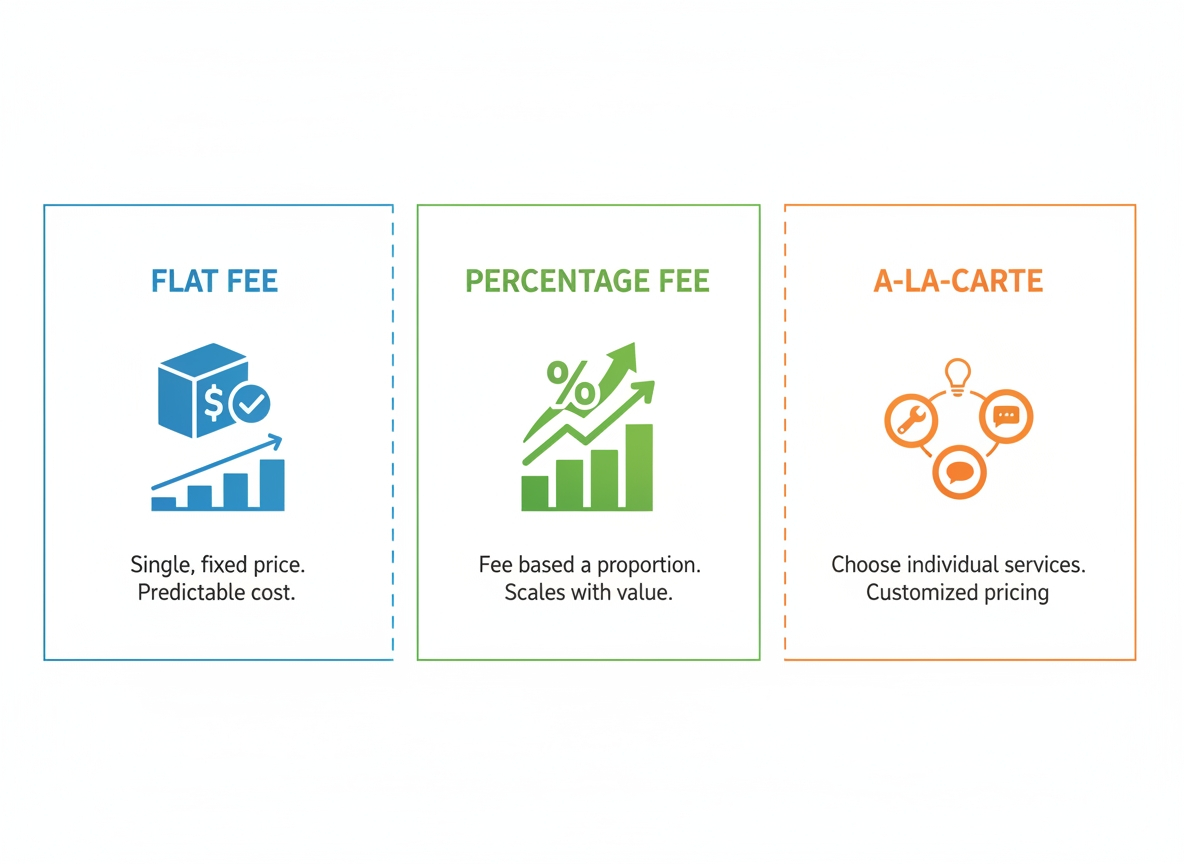
Commercial property management fees usually follow one of three models:
Percentage of Rent. Many firms charge a monthly management fee equal to a percentage of the rent collected. In California markets like Sacramento, expect anywhere from about 3–7% of gross rents for office or retail buildings. (Larger portfolios or less hands-on contracts may lean toward the lower end; very intensive service or small properties may be higher.) For example, a small office might be managed at around 5%, while a multi-tenant retail strip center might run closer to 6–7%. By contrast, simple residential homes often command higher rates (around 6–10%). Keep in mind, there may still be a minimum management fee. For example, the tenant in a NNN single-tenant building vacates and is no longer any rents to base a percentage on. In all cases, clarify which services are covered by that percentage.
Flat Monthly Fees. Some Sacramento managers offer a flat-rate option (e.g. “$600 per month” or a fixed fee per unit) instead of a percent. Flat fees can simplify budgeting, especially if your rents fluctuate. However, make sure it truly covers all standard services. (Very low flat fees can be a warning sign if essential tasks like rent collection or regular inspections end up billed separately.)
Hybrid and À La Carte. Many companies combine approaches: for example, charging a lower base percentage plus extra for certain tasks. Typical add-on fees include:
Leasing or Tenant Placement Fees: Most managers charge a one-time fee when signing a new lease. Retail and office leasing fees are often quoted as 50–100% of one month’s rent. In practice, you might see a 75% fee or a flat amount (e.g. ~$2,000) when a new tenant moves in.
Lease Renewal Fees: Renewing an existing tenant’s lease may incur a charge (often a flat $100–$250 or a small percentage of one month’s rent). always confirm whether renewals are free or billed.
Maintenance and Inspection Fees: Some managers bundle routine inspections and minor maintenance oversight in the base fee; others bill them separately. In Northern California, routine site inspections often cost ~$75 each. Similarly, coordinating repairs can trigger extra charges – for example, one guide notes a common “project oversight” fee of ~7.5% of the repair cost.
Technology or Processing Fees: Occasionally you’ll see fees for things like owner portal access or transaction processing. Professional managers should disclose these upfront.
Expect full-service management to cover rent collection, lease enforcement, basic maintenance coordination, and regular reporting. But always ask: “What exactly is included in the base fee, and what triggers an extra charge?” (Sacramento owners have even less tolerance than most for surprise fees.) A transparent manager will give you a written fee schedule. There is no right or wrong approach whether it's flat fee, percentage of rent or a-la-carte. All that matters is clarity.
Hidden Add-Ons and Change Orders
In addition to base and leasing fees, owners should watch for other “mysterious” charges:
Leasing Extras: Some firms tack on costs like premium advertising (e.g. “$150 for boosted online ads”) or handling applications. Always clarify what marketing services are included.
Insurance and Administrative Fees: If a property has special needs (HOA, insurance claims, legal work), Ask whether the manager charges extra. For example, a manager might say “we handle your vendor invoices at cost,” or they might quietly add a 10% markup. Always inquire specifically: “Under what circumstances would I see a charge on my statement beyond the management fee and direct repair costs?”. A definitive, written answer is your best protection against hidden fees.
Change Orders: If you ask the manager to do something outside the normal agreement (e.g. prepare extra financial reports, coordinate a property improvement, or manage an unusual tenant improvement project), those services may come with a surcharge. Professional companies typically will quote these costs in advance; avoid any contractor who tries to slip them in retrospectively.
In summary, Sacramento managers commonly earn their fee through clear tasks – but anything beyond the standard scope (new leases, property preparations, specialized inspections, legal filings, etc.) should be spelled out.
What “Cheap” Management Misses
Cut-rate management may look appealing, but it often omits critical services. Owners should remember that what’s not in the fee can cost far more than the sticker price. Key shortcomings of overly-cheap management include:
Deferred Maintenance & Missed Inspections: Budget managers may delay non-urgent repairs or skip regular inspections to save time. Deferred maintenance can destroy a property value. A small leak or worn-out HVAC component unattended for months can become a major capital expense (think a simple filter change ballooning into an HVAC replacement). Worse, missing routine inspections can lead to legal troubles: unfiled permits or unknown safety hazards can trigger fines or liabilities. In Sacramento’s tight-regulation environment, ignoring inspections is a gamble you shouldn’t take.
Vendor Markups & Poor Vendor Oversight: Lower-cost managers often rely on the cheapest (or even unvetted) contractors and may mark up repair invoices. Over time this inflates maintenance costs. In contrast, quality managers negotiate fair rates, hold vendors accountable, and transparently pass through bills. Without vigilant vendor control, repairs become more expensive and lower quality.
Minimal Financial Reporting: A “cheap” operation might give you only the bare minimum of accounting. They may send generic statements and bury owners “under vague reports and hidden mark-ups,” creating “opacity” in your finances. Proper accounting should be detailed and timely. Look for managers who offer real-time owner portals and clear monthly statements; cost-cutting firms often skimp on this visibility.
Reactive – Not Proactive – Service: Finally, low-fee managers tend to be reactive. They do the bare minimum and won’t act as your strategic partner. Marketers and savvy investors know that good management includes creative marketing, tenant retention strategies, and guidance on rent adjustments. Skimping on fees often means you also skip this strategic oversight, leaving money on the table. A good property manager helps you make smart decisions about rent pricing, upgrades, lease renewals, and long-term ROI.
In short, the cheapest offer rarely delivers all the above. In Sacramento’s competitive market, the small extra cost for full-service management often pays for itself by preserving occupancy, reducing long-term repairs, and protecting asset value.
Key Questions and Red Flags
When interviewing Sacramento managers, ask direct questions about fees and services. Transparency is your best guardrail. Consider these key questions (and watch for these red flags):
“What exactly is included in your management fee?” Ask the manager to list services covered by the base fee. A clear answer will cover rent collection, basic maintenance coordination, accounting, and owner statements. If they deflect or say “we do everything,” press for specifics. Vague answers here are a warning sign.
“Do you charge for lease renewals or extra services?” Many firms do, but you should know up front. Specifically ask if lease renewals incur a fee, and what events (evictions, legal notices, property prep, etc.) trigger charges. For example, “Is there a tenant placement fee? A renewal fee? What about move-in/move-out inspections?” Common charges to clarify include: tenant placement, lease renewals, eviction proceedings, Detailed inspections”. If the manager hesitates or says only “it varies,” insist on a written fee schedule.
“How do you bill maintenance and repairs?” Good managers pass vendor invoices through at cost and explain them. Ask if they add any percentage as a markup. Also ask if there are minimum service charges or emergency repair fees.
“Can I see a sample owner statement?” This is crucial. Any reputable firm will share an anonymized statement showing how charges and payments flow through. Always ask for a sample owner statement to check the manager’s reporting quality”. Review it carefully: it should clearly show rent collected, fees taken, repairs billed, etc. If it’s confusing or missing detail, that’s a red flag.
Beware of “Too Low” Fees: A shockingly low management fee sounds good, but ask why they can afford it. The lowest management fee is rarely the best deal. A cheap company might make up for it with high fees for leasing or inspections”. Make sure there isn’t a hidden catch.
Technology and Reporting: Ask if they offer 24/7 owner access to reports. In 2026, best-in-class managers provide online portals and automated updates. If a company relies on hand-written ledgers or only quarterly reviews, they’re cutting corners.
If a candidate manager fails to answer these or becomes defensive, consider it a warning. Your goal is an itemized, written list of all potential charges. As one expert summary puts it: A transparent fee structure is the foundation of trust. If a company is not forthcoming with a detailed list of all potential charges, it can be a significant red flag. If a company refuses to provide a detailed list of all potential charges, it is indeed a significant red flag.
In conclusion, Sacramento owners need not accept mystery fees as standard. By understanding typical fee ranges (about 3–7% for commercial rents), common add-on charges (leasing fees, inspections, etc.), and the value of full-service management, you can make an informed choice. Ask pointed questions, request sample statements, and compare not just price but the scope of work. The right property manager will welcome your scrutiny and prioritize your confidence.
The reality is, Sierra Property Management isn't so rigid and stuffy in our fee structures. Commercial real estate varies so much, and so does the needs of our clients. Some of our clients prefer flat fee or percentage based and we can accommodate. Scope of work, property size and unique needs, and client preferences shape how we run our fee schedules.
Ready to compare? Request a free management evaluation today. We’ll review your property, your goals and your preferences. Then we will clarify our complete fee schedule and provide a sample owner statement so you see exactly where every dollar goes. Transparency isn’t optional—it’s how we maximize your return.
Get in touch for a no-obligation consultation and sample statement. Let us show you how true Sacramento commercial property management should work for you. Call 916-721--9525 or Click here to get in touch
